
Conservation in Tarangire
How Tarangire Nature Camp supports elephant conservation, bird habitat protection, and the Maasai communities that share the Tarangire landscape.
Our Impact
Solar Powered
Community Staff
Permanent Footprint
Conservation
Conservation in Tarangire
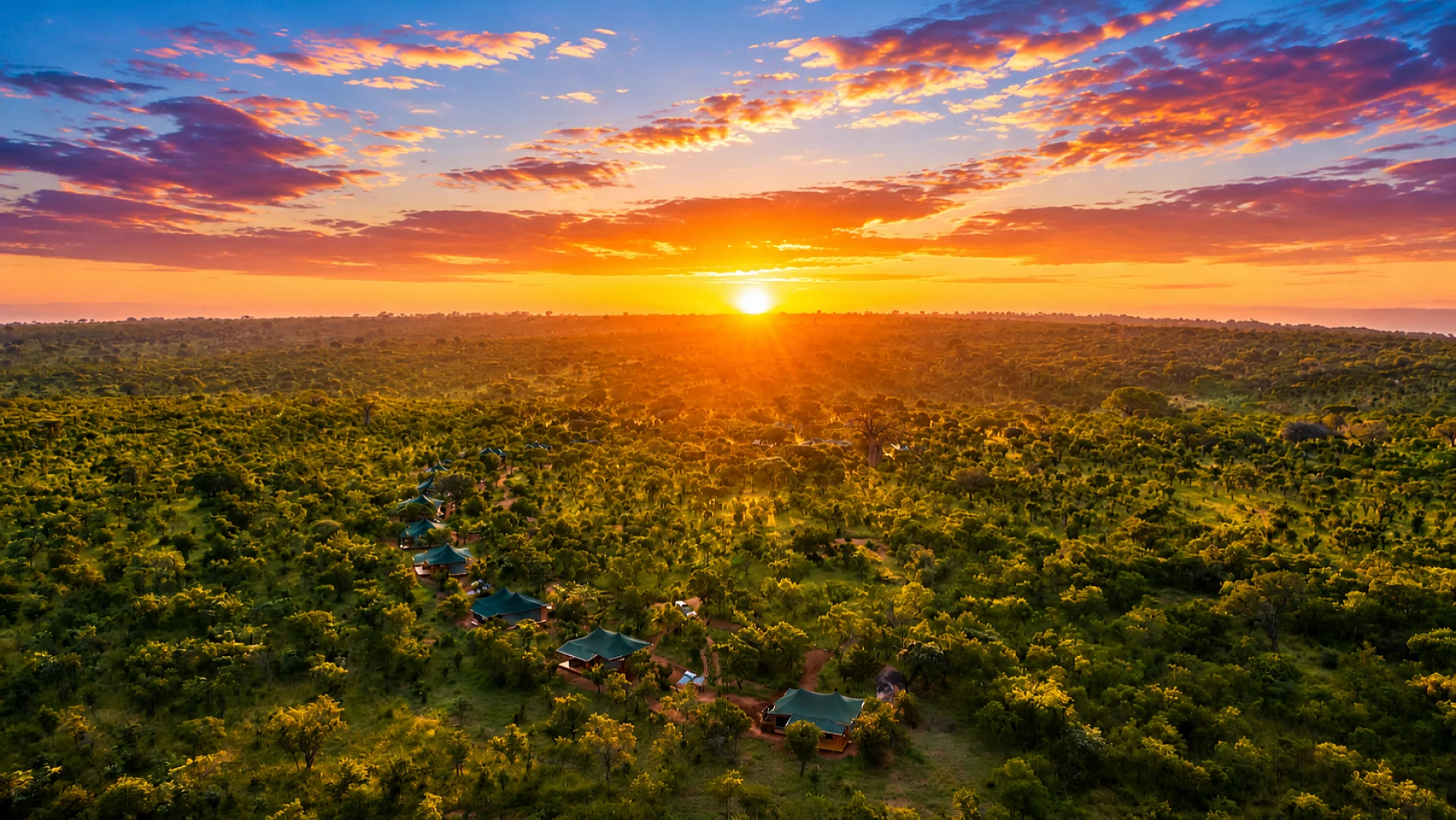
Tarangire National Park sits at the centre of a vast ecosystem that extends far beyond the park boundaries. The Tarangire-Manyara ecosystem covers approximately 20,000 square kilometres, and its health depends on maintaining the wildlife corridors and dispersal areas that connect the national park to surrounding lands. At Tarangire Nature Camp, conservation is woven into every aspect of our operation.
Elephant Conservation
Tarangire's elephants are one of East Africa's great conservation success stories. The park's estimated 2,500 elephants depend on seasonal migration routes that take them well beyond the park boundaries during the wet season. Protecting these routes is critical. We support the work of the Tarangire Elephant Project, a long-term research programme that monitors individual elephants, studies their movement patterns, and works with surrounding communities to reduce human-elephant conflict. We contribute data from our guides' daily observations and provide logistical support for field researchers. When an elephant is injured or a conflict incident is reported, our team helps coordinate rapid response with park authorities.
Habitat Protection
Tarangire's unique landscape — particularly the ancient baobab woodland — is irreplaceable. These trees take centuries to grow and provide critical nesting, feeding, and sheltering resources for hundreds of species. We advocate for the protection of old-growth baobab stands and support reforestation efforts in degraded areas surrounding the park. Within the park, we follow strict driving protocols to minimise habitat damage, avoid off-road driving, and report any signs of illegal tree cutting or charcoal production to park authorities.
Birding and Biodiversity
As one of Africa's top birding destinations, Tarangire has a special responsibility to protect avian habitat. The park's two endemic species — the Yellow-collared Lovebird and the Ashy Starling — depend on the baobab woodland and dry bush habitats that are under pressure from agricultural expansion outside the park. We support avian monitoring programmes and contribute sighting data that helps researchers track population trends. Our birding guides participate in annual bird counts and work with ornithological researchers to document breeding success and migration patterns.
Community Engagement
The Maasai and other pastoral communities surrounding Tarangire are essential partners in conservation. When these communities see tangible benefits from the tourism that wildlife generates, they become its most effective protectors. We employ the majority of our staff from local villages, providing stable income, professional training, and career development. We fund education scholarships for children from communities adjacent to the park and contribute to village health clinics. Our cultural village visit programme generates direct income for participating communities and fosters understanding between visitors and local people.
Sustainable Operations
Tarangire Nature Camp operates on solar power, uses wood-fire heated water for bucket showers, and has eliminated single-use plastics from all operations. Food is sourced from local markets and our own camp garden. Waste water is treated naturally, and solid waste is sorted, recycled where possible, and disposed of responsibly. Our camp structures are designed to be fully removable, ensuring that if the camp ever closes, the riverbank can return to its natural state. We believe that the privilege of operating in one of Africa's most beautiful parks carries an obligation to leave no trace.
Safari That Gives Back
Every stay supports conservation and the communities who protect these wild places. Come be part of it.
Plan Your Safari