
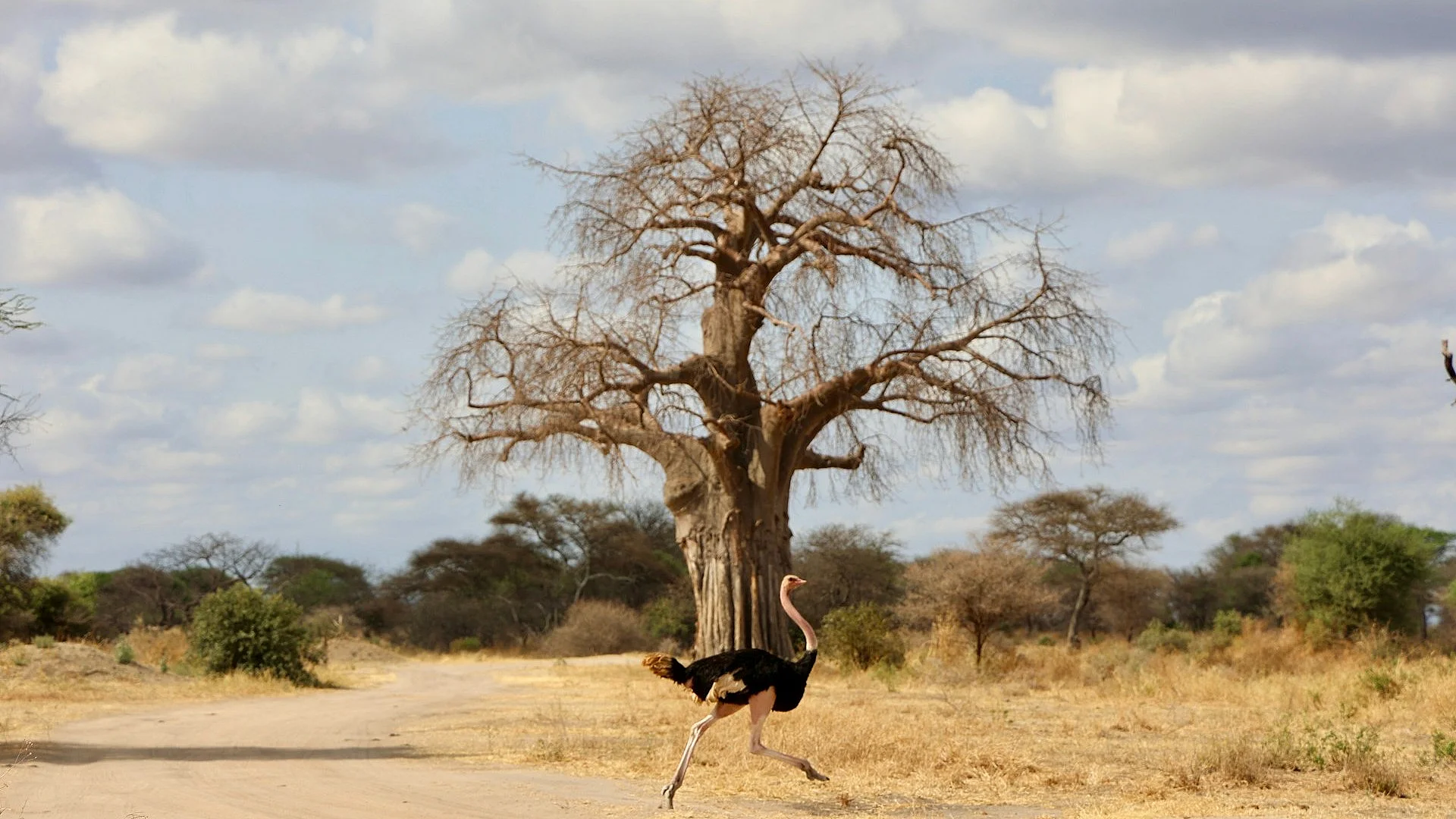
Everything you need to know about visiting one of Tanzania's most underrated national parks — from when to go to what to see.
Complete Guide to Tarangire National Park
Tarangire National Park is one of northern Tanzania's most rewarding safari destinations, yet it remains far less visited than its famous neighbours, the Serengeti and the Ngorongoro Crater. Covering 2,850 square kilometres of undulating hills, seasonal swamps, and ancient baobab woodland, Tarangire offers a safari experience that is distinctly its own — characterised by vast elephant herds, a stunningly unique landscape, exceptional birding, and a sense of exclusivity that the more popular parks can no longer deliver.
Geography and Landscape
Tarangire sits at the base of the Great Rift Valley escarpment in the Manyara Region of northern Tanzania. The park is named after the Tarangire River, which flows through its centre and serves as the only permanent water source in the surrounding ecosystem. This hydrological fact is the key to understanding Tarangire's wildlife dynamics: during the dry season, animals from across a vast area converge on the river, creating wildlife concentrations that rival anything in the Serengeti. The landscape is dominated by the iconic baobab trees — massive, ancient giants that can grow to 25 metres in girth and live for over 2,000 years. Interspersed with acacia-Commiphora woodland, open grassland, and seasonal swamps, the terrain provides habitats for an extraordinary range of species.
Wildlife
Tarangire is famous above all for its elephants. The park supports one of the largest elephant populations in East Africa, with an estimated 2,500 residents. During the dry season, herds from surrounding areas swell this number further, and concentrations of several hundred elephants at a single stretch of river are not uncommon. Beyond elephants, Tarangire supports lion, leopard, cheetah, African wild dog (seasonally), buffalo, giraffe, zebra, wildebeest, and several species that are rare or absent elsewhere on the northern circuit: fringe-eared oryx, gerenuk, lesser kudu, and the peculiar long-necked gerenuk that feeds standing on its hind legs.
Birding
With over 550 recorded species, Tarangire is a birding paradise. The park is home to two species found nowhere else on Earth: the Yellow-collared Lovebird, whose green-and-yellow flocks are a constant presence in the baobab woodland, and the Ashy Starling, a subtle slate-grey species endemic to central Tanzania. Raptors are particularly well represented, with Martial Eagle, Bateleur Eagle, African Hawk-Eagle, and the spectacular Secretary Bird all regularly seen. The wet season from November to April brings an influx of Palearctic migrants that lifts the species count even higher.
When to Visit
The dry season from June to November is the peak period for large mammal viewing, as thousands of animals converge on the Tarangire River. Elephant concentrations peak from August to October. The wet season from December to May is greener, quieter, and exceptional for birding. Each season offers a different but equally rewarding experience.
Getting There
Tarangire is approximately 120 kilometres from Arusha — a drive of about two hours on a good tarmac road. This accessibility makes it an ideal first or last stop on a northern circuit safari. Light aircraft transfers to Kuro Airstrip within the park are available for guests connecting from the Serengeti or other destinations.
Where to Stay
Tarangire Nature Camp is located in the northern sector of the park, perched on an elevated ridge above the Tarangire River. Our intimate tented camp offers unobstructed views of the river and the baobab-studded flood plain, daily game drives, and the genuine warmth of Tanzanian hospitality. Contact our reservations team to start planning your Tarangire adventure.
Share this article
Related Posts
Continue Your Journey
From the stories of the wild to the experience itself -- we would love to help you plan an unforgettable safari.