
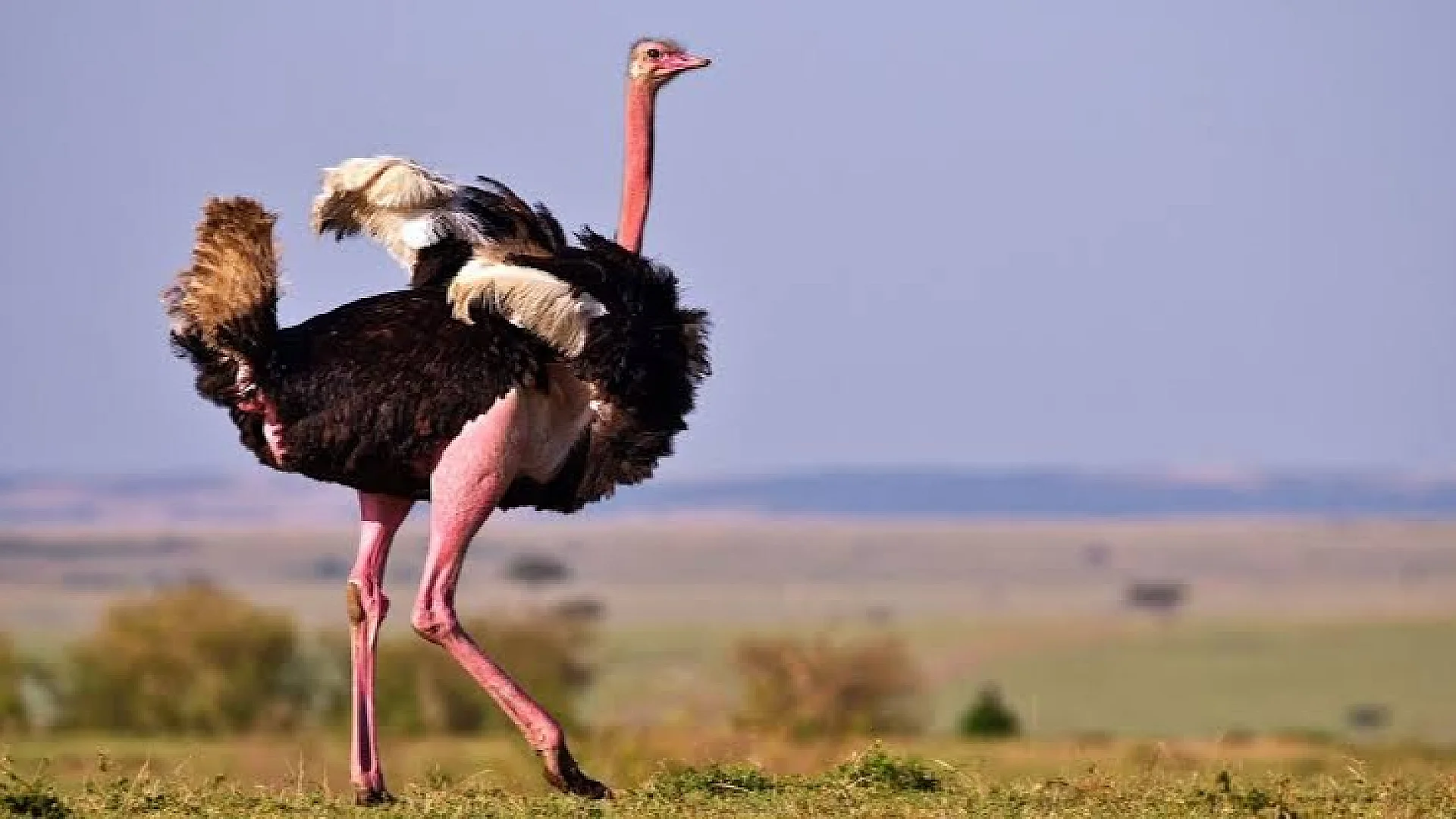
From Tanzanian endemics to the world's heaviest flying bird, Tarangire is a birding paradise with over 550 species. Here are the ten you should not miss.
Top 10 Birds to Spot in Tarangire National Park
With over 550 recorded species, Tarangire National Park ranks among the top birding destinations on the African continent. The park's diverse habitats — baobab woodland, riverine forest, open grassland, seasonal swamps, and acacia-Commiphora bushland — support an extraordinary variety of avifauna, including several species that are found nowhere else on Earth. Whether you are a dedicated lister or simply an appreciative observer, here are the ten species that define the Tarangire birding experience.
1. Yellow-collared Lovebird
This small, brilliantly coloured parrot is endemic to central Tanzania and is one of Tarangire's signature species. Flocks of Yellow-collared Lovebirds are a constant presence in the baobab woodland, their chattering calls one of the characteristic sounds of the park. They nest in cavities in baobab trees, and it is common to see pairs perched together on dead branches, their green bodies and yellow collars vivid against the grey bark. This species cannot be seen anywhere else on Earth, making it an essential tick for any visiting birder.
2. Ashy Starling
Another Tanzanian endemic, the Ashy Starling is a quieter, more subtle bird than its flashy relative the Superb Starling. Its uniform slate-grey plumage and pale eyes give it a distinctive, almost ghostly appearance. Found in dry woodland and around camp areas, the Ashy Starling is common in Tarangire but absent from the Serengeti and most other East African parks, making it a valuable species for birders building their African list.
3. Kori Bustard
The world's heaviest flying bird, the Kori Bustard is a magnificent sight on Tarangire's open grasslands. Males can weigh up to 18 kilograms and stand over a metre tall. During the breeding season, males inflate their neck feathers in a dramatic display that makes them appear twice their normal size. Despite their bulk, they can fly — though they prefer to walk, stalking through the grass with a deliberate, dignified gait.
4. Bateleur Eagle
With its dramatic black-and-chestnut plumage, bright red face, and distinctive rocking flight, the Bateleur Eagle is one of Africa's most recognisable raptors. Common in Tarangire, it spends most of the day on the wing, covering up to 300 kilometres in a single day of foraging. Its name comes from the French word for "street performer," a reference to its tilting flight style that resembles a tightrope walker using a balancing pole.
5. Martial Eagle
Africa's largest eagle and one of the most powerful raptors on the continent, the Martial Eagle is regularly seen soaring over Tarangire's open country. With a wingspan of up to 2.6 metres, it is capable of taking prey as large as young impala and monitor lizards. Its dark brown upper parts and spotted white underside are distinctive in flight. Often seen perched on the tops of tall trees, scanning the ground with piercing yellow eyes.
6. Lilac-breasted Roller
Perhaps the most photographed bird in Africa, the Lilac-breasted Roller is abundant in Tarangire and never fails to elicit gasps of admiration. Its extraordinary plumage combines lilac breast feathers with turquoise wings, a green head, and a russet back — a colour palette that seems almost impossibly vivid. Commonly seen perched on exposed branches or wires, it launches into the air in a spectacular rolling display flight that shows off every colour in its repertoire.
7. Red-and-Yellow Barbet
This striking barbet is common in the Tarangire woodland and is often heard before it is seen — its distinctive duetting call, performed by a bonded pair perching side by side, is one of the park's most characteristic sounds. Its bold pattern of red, yellow, and black makes it unmistakable once located. They are cavity nesters, often excavating holes in termite mounds.
8. Von der Decken's Hornbill
Named after the German explorer Baron Karl Klaus von der Decken, this medium-sized hornbill is abundant in Tarangire's dry woodland. Males have a striking red-and-ivory bill, while females have an all-black bill. They are often seen perched on branches or hopping along the ground in search of insects, and their loud, clucking calls are a constant accompaniment to game drives in the park.
9. Secretary Bird
One of the most unusual raptors in the world, the Secretary Bird walks upright through the grassland on long, crane-like legs, stomping on snakes and other prey with powerful kicks. Its black crest feathers, pink face, and tall, elegant stance give it the appearance of a Victorian clerk — hence its name. Tarangire's open grasslands are ideal habitat, and sightings are regular throughout the dry season.
10. Pel's Fishing Owl
The most sought-after bird on many African birding lists, Pel's Fishing Owl is a rare and elusive species that inhabits riverine woodland along permanent waterways. In Tarangire, it is found along the vegetated stretches of the Tarangire River, where it hunts fish at night from low overhanging branches. Sightings require local knowledge and patience — our birding guides know several roosting sites and can significantly increase your chances of an encounter. Finding this magnificent owl, with its tawny plumage, dark eyes, and powerful talons, is a career highlight for any birder visiting East Africa.
Share this article
Related Posts
Continue Your Journey
From the stories of the wild to the experience itself -- we would love to help you plan an unforgettable safari.